Pest Control: Powerful Methods to Secure Your Home and Organization
Pest Control: Proven Approaches to Protect Your Property and Organization
Beginning to Pest Control
Pest Control encompasses the management or handling of creatures designated as pests – organisms that harmfully influence people's undertakings or areas. In New Jersey, in which numerous ecosystems connect with metropolitan and city expansion, potent Pest Control is not merely a luxury but a essential for keeping sanitary residential and working spaces. From the widespread residential areas of Monmouth County to the connected communities of Matawan, pest invasions can disturb each person, no matter of how spotless or adequately preserved their property may be.
The significance of using potent Pest Control approaches could not be overemphasized. For house owners, pests can damage foundational integrity, taint food supplies, and present important health dangers. Enterprises experience these equivalent obstacles, with the extra anxiety of name impairment and likely forfeiture of clients if invasions are located. Prevalent pests in New Jersey include rats and mice like rats and mice, numerous insects such as ants, cockroaches, and bed bugs, and the specifically damaging termites that can stealthily damage a building's underpinning.
Why Pest Control Is Essential
Health Perils of Pest Control Methods
Various pests bear and convey disorders that can impact humans and pets. Rodents are recognized carriers of hantavirus, salmonella, and leptospirosis. Cockroaches can induce asthma occurrences and allergic sensitivities, particularly in children. Ticks, abundant in New Jersey's woodland regions, are notorious for distributing Lyme disease, while mosquitoes can carry West Nile virus and Eastern Equine Encephalitis. Specialized Pest Control supports reduce these health hazards by exterminating the root of these possible disease agents.
Building Destruction in Pest Control
The skeletal injury triggered by pests can be significant and pricey. Termites by themselves trigger over $5 billion in building impairment yearly within the United States, with New Jersey homes being specifically vulnerable due to the state's weather. Small mammals can nibble through power cables, forming fire hazards, while their incessant chewing can harm weatherproofing, pipes, and wood framework components. Even relatively non-threatening ants can damage lumber structures if allowed untreated, especially carpenter check here ants which are widespread in Monmouth County.
Monetary Consequences of Pest Control Services
Avoiding pest infestations can result in significant budgetary repercussions. What can begin as a minor occurrence requiring uncomplicated procedure can rapidly amplify into a significant trouble demanding thorough rehabilitation. For firms, mainly those in the food industry or accommodation industries, pest infestations can lead to inadequate health checks, short-term shutdowns, and permanent injury to reputation and consumer trust. Allocating resources in standard Pest Control is not solely about direct comfort—it's a continuing monetary protection.
Pest Control: Frequent Residential and Enterprise Pests
Small Mammals (Rats and Mice)
When it comes to discovering rodent invasions in your New Jersey home, vigilance is key. You could observe droppings near food provisions, in cabinets, or beneath sinks. Bite marks on food enclosures, wooden materials, and power wiring are telltale indicators of their occupancy. At evening, you may notice scrabbling commotion in dividers, roofs, or underneath floors as these night-active beings get dynamic. If you uncover shelters made from torn stationery, textile, or dehumidified plant matter, that's a clear proof rodents have built themselves comfortable. Greasy rub marks against baseboards and dividers show up as rodents practice the similar paths often, while your pets may demonstrate unusual deportment such as yapping or digging at locations below machines or furnishings where rodents seek refuge.
Rats and mice in New Jersey homes and businesses present many dangers beyond mere bother. They can adulterate food and production surfaces with bacteria contained in their urine and waste. Their incessant compulsion to nibble can ruin items, particularly electrical lines, which makes fire hazards. In Matawan and adjacent vicinities, the Norway rat and house mouse are particularly troubling, succeeding in both built-up and outlying regions. Productive Pest Control approaches are necessary to address these damaging encroachers.
Insects (Ants, Cockroaches, Bed Bugs)
Arthropod incursions display themselves in diverse methods based on the kind. Ant difficulties grow obvious when you spot obvious ant tracks leading to food provisions, or when you spot minor accumulations of dirt or wood fragments created by carpenter ants. Cockroach incursions often present themselves through dark dung comparable to coffee grounds or black pepper, a unique musty odor that suffuses plagued places, and the presence of egg casings in obscured corners. Bed bug difficulties become apparent as rust-colored marks on mattresses and belongings, shed skins near reposing spots, small blood blemishes on sheets, and uncomfortable red welts on skin normally positioned in a sequence or gathering.
Insects symbolize the most various variety of pests in New Jersey. Cockroaches can activate asthma and intolerances while distributing numerous germs. Bed bugs, while not disease agents, produce considerable unease, sleep disruption, and affective distress. Some ant kinds, like carpenter ants typical in Monmouth County's tree-covered areas, can create architectural destruction comparable to termites over time. Expert Pest Control companies can identify specific insect varieties and implement precise management methods that handle the special practices and exposures of each pest.
Termites
Discovering termite action soon necessitates grasping the delicate indicators of their existence. You perhaps notice dropped wings near openings and access points after swarmers have identified a mate and set up a new colony. Mud tubes on external walls, timber beams, or in crawl spaces work as sheltered highways for these harmful pests. Wood that resonates unfilled when patted indicates termites have been eating from within. Entryways and apertures that unexpectedly stick may show warping from termite harm, while split or inflating paint akin to water impairment often disguises termite movement underneath. Detecting frass—termite dung comparable to minute wood-colored granules—gives another confirmation of their objectionable attendance.
Termites create perhaps the most substantial foundational hazard across all prevalent pests. In New Jersey, the Eastern subterranean termite is prevalent and especially detrimental. These critters can remain hidden for durations while causing widespread devastation to timber foundational components. Homes in Matawan and throughout Monmouth County, principally older structures, are vulnerable to termite issues. The normal price of term pest control.
Pest Control Security Aspects
Proper Usage of Pesticides and Chemicals in Pest Control
As chemicals become required in your pest control strategy, prioritizing protection demands attention to numerous critical practices that protect individuals, companions, and the ecosystem. Continuously read and follow product directions accurately, as these legally-binding instructions show thorough testing and regulatory evaluation intended to reduce dangers. Apply the smallest effective amount of product to attain elimination while minimizing unnecessary substance incorporation into your home space. Administer chemicals only in locations specified on the product instructions, preventing improper treatments that may produce unexpected hazards or diminish effectiveness. Don suitable safety gear as specified by product companies to prevent individual exposure during application. Store products in their factory packages with labels intact to retain access to safety details and prevent confusion. Maintain thorough logs of all treatments, writing down products utilized, dilution ratios, spots serviced, and times of use for future use. Permit appropriate curing and airflow before reoccupying treated spaces, particularly significant in New Jersey's conditions where moisture can impact setting times. Consider reduced-risk choices when successful, as progress in pest elimination have created many safer options that preserve performance while minimizing likely hazards.
Shielding Animals and Children While performing Pest Control Applications
Extra safeguards grow vital when performing pest control procedures in residences with sensitive household occupants. Relocate companions throughout service and until spaces are cured to stop close contact with damp chemicals or gases that could produce adverse responses. Cover or relocate pet food, drinking containers, and toys before service to stop exposure that could cause unintentional consumption. Keep children's toys apart from service zones, specifically things that small kids might place in their mouths. Wash and sterilize meal preparation counters after service, even if they weren't directly treated, to eradicate any traces that might have collected during application. Hold children away from treated spaces for the specified time, lengthening this period for crawling infants who have increased immediate interaction with ground and low surfaces. Evaluate pet-safe and child-safe chemical choices when accessible, as many recent products aim at particular pest anatomy while decreasing animal harm. Most crucially, notify professional technicians about the presence of companions, children, or pregnant home individuals before they create application plans, permitting them to change techniques and chemical options accordingly.
Official Requirements and Adherence with Pest Control
Pest control in New Jersey operates within a regulatory system designed to protect general health and the surroundings while ensuring effective pest management. The New Jersey Department of Environmental Protection manages pest elimination procedures, demanding qualified pest management firms to fulfill certain specifications. Companies must use certified professionals who have completed government examinations proving proficiency in pest biology, service methods, and safety guidelines. These businesses must copyright proper protection protection safeguarding both their technicians and their patrons from potential harm or harm linked to pest management procedures. Rigid standards govern product keeping, movement, and removal to eliminate ecological contamination and illegal availability. Experts must provide Safety Data Sheets upon inquiry, recording the features and dangers of products applied in applications. Alert guidelines apply for certain uses, especially in apartment residences or industrial locations with numerous residents. Comprehensive treatment notes must be preserved, establishing an audit history of pest management operations. Also, only substances approved for employment in New Jersey may be officially employed, guaranteeing that local ecological conditions and environments have been examined in the permission system. For commercial properties in Matawan and throughout Monmouth County, supplementary guidelines may be relevant depending on the field, specifically for restaurant service, medical, and childcare establishments where pest control connects with additional general safety concerns.
Eco-Friendly Pest Control Choices
Comprehensive Pest Management (IPM) Approach
Combined Pest Control constitutes the premium benchmark in current pest control, emphasizing on extended deterrence through a mixture of approaches that reduce natural impact while increasing efficiency. The IPM process starts with thorough examination and surveillance to pinpoint pest activity correctly, forming starting information about kinds occurring and amount sizes. This leads to correct identification of pest types, making certain management actions address specific habits and vulnerabilities rather than using generic treatments. Professionals set threshold quantities that necessitate intervention, recognizing that the simple existence of a limited organisms does not inevitably demand action if populations remain below destructive levels. When action grows needed, IPM uses multiple treatment strategies in cooperation, usually beginning with safest strategies and advancing only when needed. During the system, professionals review effectiveness and adapt techniques as appropriate, forming a adaptable approach responsive to changing conditions. Most crucially, IPM focuses on avoidance over intervention, dealing with construction and ecological aspects that maintain pest numbers rather than only eradicating existing creatures. Many pest control companies in New Jersey provide IPM-based treatments that match with the state's drive toward safer pest control practices, notably in delicate environments like educational facilities, medical facilities, and food manufacturing plants.
Alternative Treatment Methods
Successful pest control often incorporates non-chemical methods that can resolve or reduce pest issues without bringing substances into the environment. Mechanical shields such as filters, entry sweeps, and caulking block pest invasion fully, addressing the issue at its source. Mechanical methods like catches and prevention equipment take away existing organisms while avoiding fresh arrivals. Biological controls containing useful insects and bacteria add organic predators that attack certain pests while preserving helpful insects unharmed. Environmental practices alter the surroundings to deter organisms, such as changing irrigation timing to reduce moisture that attracts certain insects. Living space adjustment lowers shelter and food resources, creating sites less hospitable to troublesome inhabitants. For certain pests like bedbugs, heat procedures supply exceptionally efficient treatment without synthetic residues by elevating temperatures past the thermal death point for all developmental phases of the specific pest. In the same way, cold methods for preserved item organisms like grain beetles or food storage pests can eradicate invasions in consumable commodities without chemical exposure. These methods show especially valuable in New Jersey's diverse settings, where nearness to aquatic sources, protected environmental locations, and concentrated population areas generates numerous situations where chemical limitation grows beneficial or necessary.
Sustainable Pest Control Control Approaches
The pest control field keeps to progress toward increasingly green procedures that maintain success while lowering ecological impact. Natural chemicals derived from organic substances like chrysanthemum extract, neem oil, and concentrated compounds provide targeted control with limited duration in the ecosystem. Organic treatments having microbes, spores, or organisms that focus on particular pest organisms supply exactness that traditional wide-range pesticides are unable to equal. Maturation regulators that prevent pest procreation by interfering with life cycle processes provide long-term number suppression without immediate harmful influences on fully-grown creatures. Attractant devices that monitor or interrupt pest pairing aid establish when treatment grows necessary and can prevent breeding in particular species. The sector continuously implements lower-risk chemicals with small environmental impact, shifting away from older chemistries with greater influences on beneficial creatures. Accurate usage technologies that minimize total chemical usage deliver procedures exactly where needed rather than distributing materials around broad regions. Green accreditation programs for pest control organizations create standards for ecologically superior service and give clients with plain identification of companies pledged to eco-conscious methods. In environmentally delicate zones of New Jersey, including sections of Monmouth County with distance to liquid systems, these eco-conscious strategies are specifically valuable for safeguarding both human health and wild habitats while nonetheless delivering efficient pest treatment.
Finding a Local Pest Control Service Provider in New Jersey
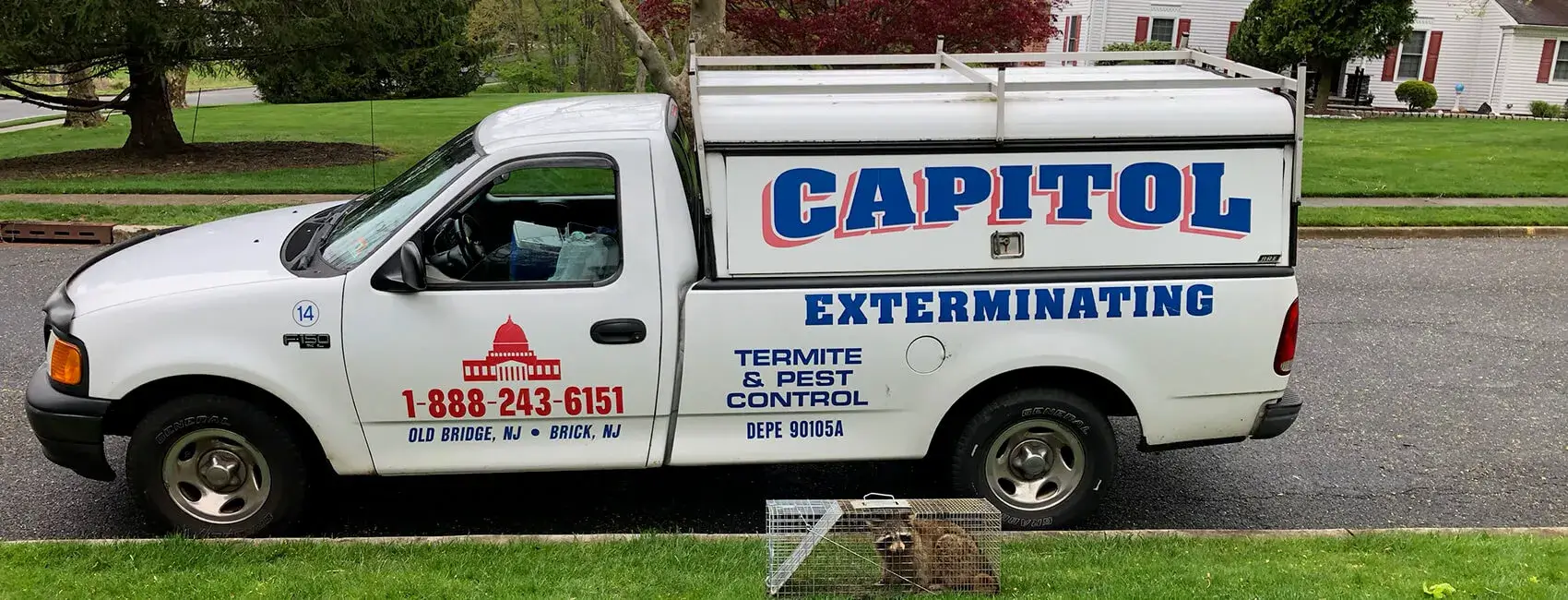
Capitol Exterminating System
272 NJ-34
Matawan, NJ 07747
(732) 441-1900
Regularly Requested Queries (FAQs) about Pest Control
How often should pest control be performed?
For numerous New Jersey residences, seasonal pest control delivers adequate defense against recurring pest activity. This routine corresponds with the local separate periods, each bringing distinct pest challenges that demand preventive consideration. Springtime procedures usually address arising ant populations and hibernating insects getting energetic. Summertime applications emphasize on mosquitoes, ticks, and numerous aerial creatures that flourish in elevated temperatures. Cool season services set up residences for rodents and sheltering creatures searching for refuge as weather drop. Cold season applications keep safeguarding against interior insects while addressing small mammal pressure at its peak. However, this rate may increase for structures with certain risk conditions or ongoing issues that demand increased intensive handling. Properties near natural areas in Monmouth County may advantage from additional parasite and flying insect treatments throughout maximum cycles. Buildings with background of individual pest issues frequently require targeted additional services past the typical four times yearly timing. Commercial facilities, notably restaurant business establishments in locations like Matawan, frequently require frequent attention to maintain compliance with health rules and stop issues that could damage reputation and trade processes.
Is qualified pest control protected for animals?
When performed properly, qualified pest control can be secure for companions through cautious product picking and application techniques that minimize access. Current focused employment methods and reduced-risk materials have considerably bettered protection characteristics versus traditional pest treatment strategies. Recent applications often use products specifically developed to have low harm to animals while staying efficient against intended pests with distinct body systems. Expert technicians acquire preparation in application methods that locate materials in zones animals are unable to reach, such as structural spaces, fissures and crevices, or back of devices. Nevertheless, animals should be removed throughout service and until all treatments have set fully, obeying specific rest times proposed by the chemical producer and technician. Fish tanks should be enclosed and oxygen equipment stopped during application to eliminate exposure from suspended debris. Pet items featuring sleeping areas, objects, and nutrition containers should be relocated or covered while performing application. Discuss any worries with your pest control service, who can recommend correct rest intervals considering the particular treatments utilized and change techniques for families with particularly vulnerable companions like avians or lizards and snakes that may have distinct physiological vulnerabilities than felines and dogs.
What are the indicators of a major pest invasion?
Beyond seen organisms themselves, various danger symptoms indicate probably significant issues requiring prompt pest control treatment. Odd odors commonly emerge with extensive issues – damp, fatty smells may indicate mice and rats, while pleasant, nutty odors sometimes accompany German insect colonies. Unknown physical destruction like falling boards, blistering surface, or falling apart wood may expose termite activity or wood-boring ant problems ruining building components. Peculiar disturbances within walls or attics, notably at evening, frequently indicate small mammal behavior as these evening pests get energetic in hidden locations. Excessive dust looking like fine wood particles near wooden elements may truly be excrement or droppings from timber-damaging pests. Some households have puzzling medical troubles like respiratory problems or scratching that improve when gone from property, potentially revealing pest problems influencing interior environmental quality. In New Jersey homes, particular focus should be devoted to lower level and foundation locations where humidity troubles can encourage pest groups, especially in aged properties throughout Monmouth County where support cracks and crumbling mortar provide many access places. Finding numerous dead insects of the similar kind suggests a more extensive colony close, while oil stains near baseboards suggest set rodent trails with frequent traffic.
Can I eliminate organisms without pest control chemicals?
Yes, multiple organisms can be stopped through suitable cleanliness, blocking, and living space modification without resorting to synthetic interventions. The cornerstone of natural pest control commences with detailed exclusion work – filling gaps, holes, and access points that enable creatures to invade properties in the initial position. Installing entry barriers, repairing deteriorated mesh, and closing utility openings gets rid of frequent penetration points. Removing feeding sources through suitable nutrition storage in sealed packages, quick clearing of drops and pieces, and frequent waste elimination considerably reduces draws that bring insects inside. Decreasing dampness by mending dripping plumbing, bettering air circulation in moist areas, and addressing water flow problems removes the liquid origins multiple pests call for. Maintaining a distance area encircling buildings by cutting plants, removing leaf material, and storing fuel lifted and apart from homes lowers harborage zones and entry spots. Employing mechanical shields like copper material or metal stuffing to block bigger gaps supplies permanent prevention for mice and rodents. Regular maintenance that contains removal openings and gaps takes away bug offspring and feeding waste that sustain pest reproduction. For existing invasions, nevertheless, some form of management material may be essential to fix set problems, though multiple safer options are accessible featuring diatomaceous dust, boric acid, and pest-killing detergents that supply decreased risk against conventional products.
What should I prepare for while having specialist pest control application?
A specialist pest control service typically commences with a comprehensive examination to pinpoint pest species, penetration points, and encouraging conditions contributing to the trouble. The professional should use care examining both indoor and exterior areas, devoting specific care to food preparation areas, bathing facilities, cellars, and edge bases where pest activity commonly focuses. After this examination, the professional should explain their findings in detail and propose a application plan adapted to your individual circumstances, addressing both the designated organisms and the techniques proposed for managing them. You may receive preparation guidelines before application, potentially containing relocating furniture, cleaning individual locations, or securing pets. While performing the service, the expert will apply proper chemicals to designated areas according to the pest varieties recognized, emphasizing on openings, crevices, and pest hiding spaces rather than distributing treatments across whole surfaces. They may set up monitoring tools like insect traps or food devices that assist observe progress and offer ongoing safeguarding. After completing applications, a specialist should clarify any post-treatment care instructions such as ventilation specifications, access periods, or areas to wash. Before leaving, they should set up return treatments if essential for especially difficult insects like bedbugs or German insects that usually call for numerous treatments for complete eradication. Throughout this method, specialists should accept queries and provide understandable information about the materials and procedures utilized, reflecting their preparation and devotion to both efficiency and wellness.
Productive pest control is an crucial component of preserving sanitary, safe home and commercial settings in New Jersey. From the moist warm seasons that generate mosquitoes and parasites to the frigid periods when small mammals pursue harborage interior, pest challenges continue a ongoing concern for inhabitants and companies in Monmouth County and Matawan. By understanding typical pests, using preventive actions, and realizing when to obtain expert support, building owners can protect their investments and the wellness of occupants.
Taking a preventive strategy to pest control is consistently more productive and affordable than responding to existing problems. Regular evaluations, proper care, and handling tiny troubles before they grow can prevent the substantial fees and disruptions connected with significant pest troubles. When specialist support grows needed, picking a trustworthy, qualified pest control company who utilizes combined pest management approaches provides successful achievements with limited environmental footprint.